Whether you’re drawn by a sense of adventure, a fascination with the past, or the simple pleasure of wandering unfamiliar city streets, here’s where to let your curiosity lead you in the year to come.
A new national park at the edge of the world, an ancient city reinterpreting its past, a classic road trip route with fresh reasons to pull over: Your next unforgettable trip could start with any of these. Shaped by National Geographic’s global community of writers, photographers, and explorers, our annual Best of the World list reveals 25 remarkable destinations across six continents where new itineraries, cultural revivals, and milestone celebrations make now the time
Vestland, Norway
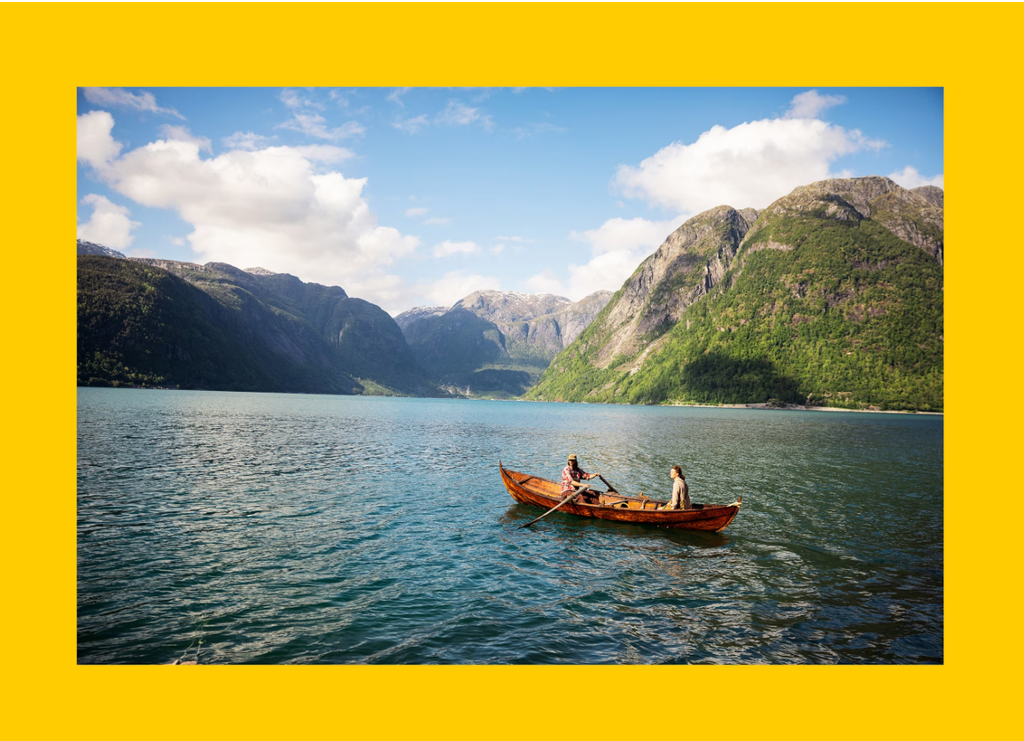
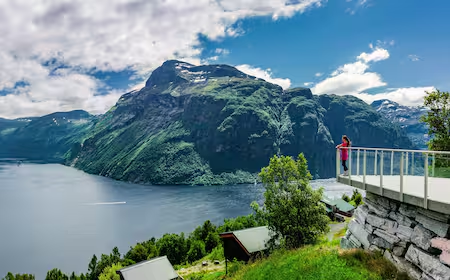
jords ripple across the county of Vestland, in Norway’s southwest, a wild region of sky-high cliffs, turquoise waters, and cascading waterfalls straight out of Norse mythology. The scale of natural wonder is grand here: Wherever you go, big wilderness awaits.
In the south is the mighty Hardangerfjord and Folgefonna National Park, where one of Norway’s largest glaciers glitters. Just east of there, Trolltunga (“troll’s tongue”), a 2,300-foot-high rock formation, juts out above a sapphire blue lake. Head to northern Vestland to see the sheer-faced, more than 10-mile-long Nærøyfjord, which makes a dramatic backdrop for kayakers and eco-friendly cruise boats (or zero-emission electric boats) looking for seals, porpoises, and white-tailed eagles.
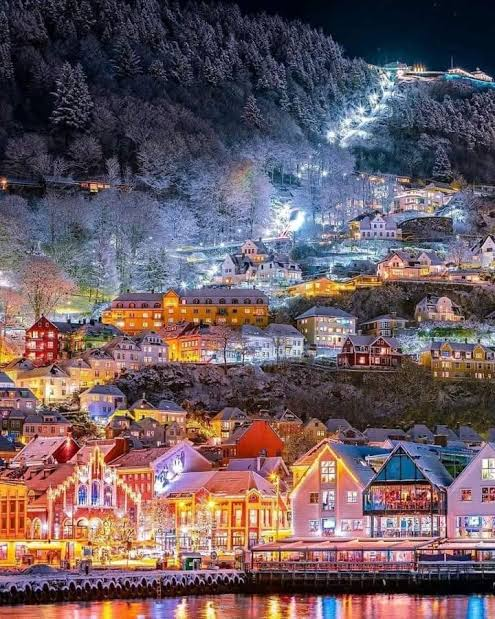
At the heart of Vestland, Bergen is surrounded by seven peaks and nestled alongside a postcard-perfect fjord. The city was once a hub of the Hanseatic League, a place where merchants ruled the waves and the dried-cod trade, and today the town’s medieval wharf district, Bryggen, is a fairy-tale feast of cobblestones, wonky gables, and bright timber facades.
At Bergen’s showpiece Gaptrast, which just scored its second Michelin star, chef Kristian Vangen wows diners with seasonally spun tasting menus, playing up modern Nordic cuisine that riffs imaginatively on locally farmed, fished, and foraged ingredients.
Direct flights to Bergen are becoming more common. But the seven-hour overnight train from Oslo has become comfier, with Vy, the national railway company, installing convertible lie-flat seats. Don’t sleep the whole trip, though—even under starlight, the view out the window is something else. —Kerry Walker
Puerto Rico
From its sandy shoreline to the heights of the Cordillera Central mountain range, Puerto Rico packs in a lot of natural splendors, but the little island’s true beauty is in its people and traditions. In the past year, its musical heritage and cultural pride nabbed the international spotlight with Bad Bunny’s Super Bowl LX halftime performance and Album of the Year win at the 2026 Grammy Awards, but the full breadth of Puerto Rican culture—a blend of West African, Indigenous Taíno, and Spanish influences—can’t be captured in a TV broadcast.
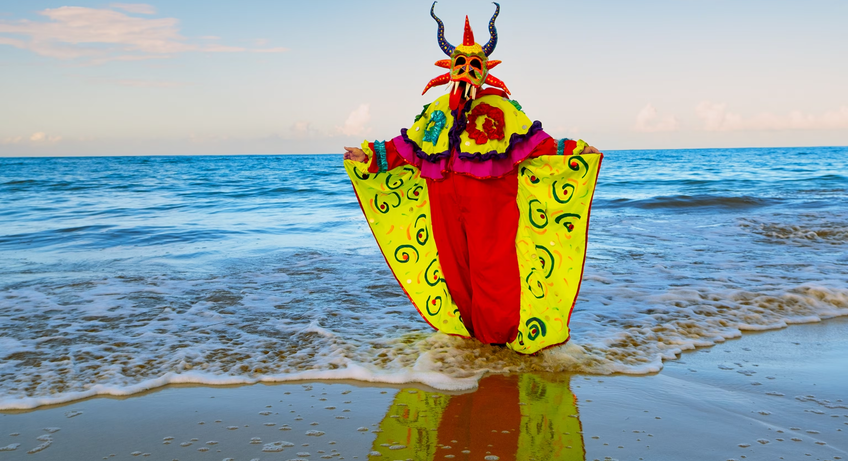
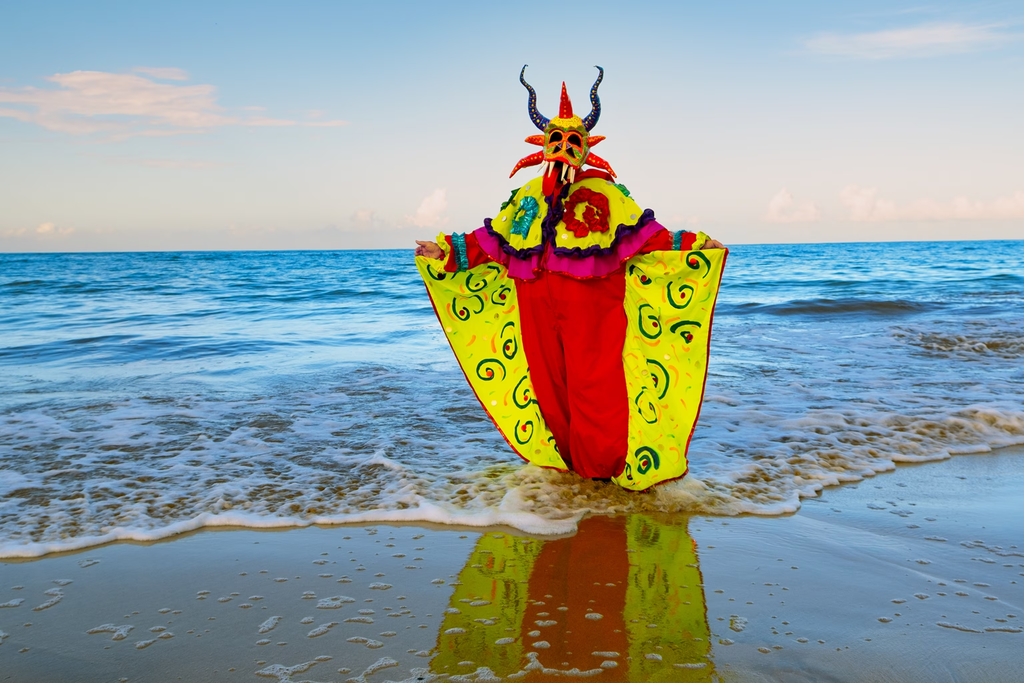
For a deep dive on the West African roots of Puerto Rico’s contemporary music scene, head to Loíza, a bastion for Black Puerto Rican culture some 20 miles east of San Juan. Venues like Corporación Piñones Se Integra connect visitors to long-standing, Afro-Puerto Rican-led genres like bomba and plena through dance and percussion classes, and July’s Festival de Santiago Apóstol showcases some of the island’s top performers while revelers in colorful costumes and horned vejigante masks take to the streets. In the Piñones district on Loíza’s northern coast, family-run kiosks line the roads all year, offering seafood-filled snacks like alcapurrias (fried plantain fritters), bacalaítos (deep-fried, salted codfish), and pastelillos de jueyes (crab turnovers).
Trace Puerto Rico’s Indigenous heritage along the Taíno Route, where former settlements, sacred caves, and weathered rock carvings bring Taíno history and mythology to life. One of the Caribbean’s most notable pre-Columbian archaeological sites is the Centro Ceremonial Indígena de Tibes, near the southern city of Ponce, full of preserved ceremonial plazas and ball courts once used by the Taíno people. Meanwhile, the inland municipalities of Utuado and Jayuya are renowned for their many petroglyphs depicting human figures and animals carved into river boulders and exposed stone.
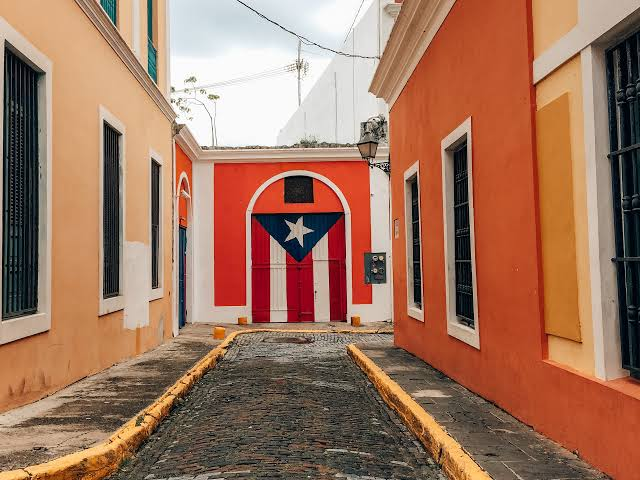
The island’s more recent colonial history surrounds you in the cobblestoned streets of Old San Juan, where the UNESCO-protected Castillo San Cristóbal and Castillo San Felipe del Morro stand as a testament to the island’s strategic importance during the Spanish Empire. And Old San Juan has a world-class festival of its own. For four days in January, the Fiestas de la Calle San Sebastián features music, masks, and hundreds of thousands of people dancing in the streets—a spectacle even grander than a halftime show. —Jared Ranahan
Cape Froward, Chile
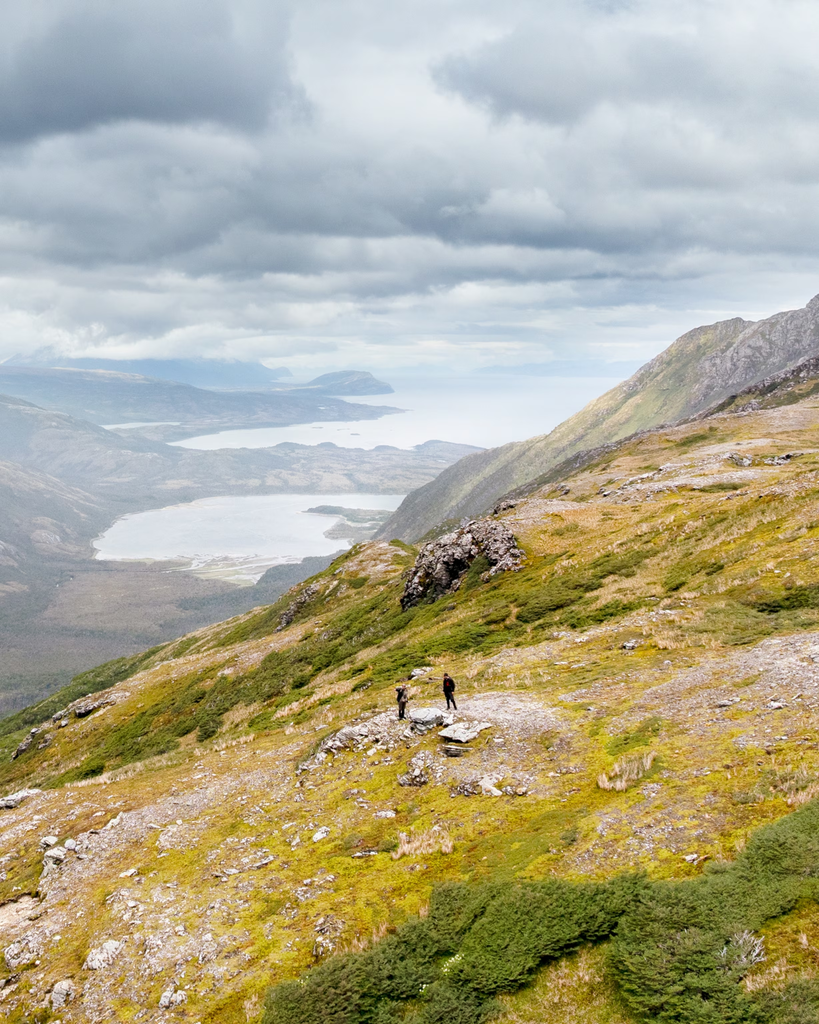
When Charles Darwin sailed the Strait of Magellan in 1834, he called the rugged Chilean coast a “scene of desolation.” But one person’s desolation is another person’s paradise, and that untouched wildness that unnerved Darwin is why Cape Froward, the southernmost point of mainland South America, is set to become the 19th park in Patagonia’s 1,700-mile Route of Parks by the end of 2027.
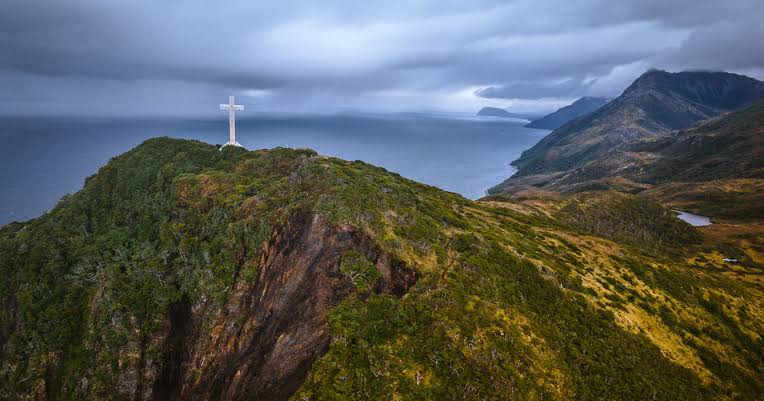
This land is and will remain untamed. Rewilding Chile, the group that donated the land to the federal government, has a five-year vision for adding campsites, bathrooms, a shelter at the Cruz de los Mares—the hilltop monument at the continent’s tip—and clearly marked trails, largely clustered between the entrance and Bahía Águila, a bay used for whaling in the early 1900s. The rest of Cape Froward remains undeveloped.
But a rugged adventure here doesn’t rely on additional infrastructure. From Punta Arenas, drive 43 miles south on Route 9 to Punta Árbol to reach a 24-mile footpath along the reserve’s eastern coastline. Visitors can day-hike through the southernmost territory, where huemul deer roam, to the San Isidro Lighthouse and Museum to learn about the region’s history in whaling and the native Kawésqar people—or follow in Darwin’s footsteps and climb more than 2,500 feet to the top of Mount Tarn.
To traverse the entire path, book a five-day tour to go wild camping in sub-Antarctic forests (and wading into three rivers) to reach Cruz de los Mares. Also consider a three-day ocean kayaking trip from San Isidro to the end of the continent, or a catamaran tour around the cape to a humpback feeding ground. —Alexandra Gillespie
Be among the first to visit Cape Froward. Our destination spotlight will help you plan a backpacking adventure, sea tour, or day hike.